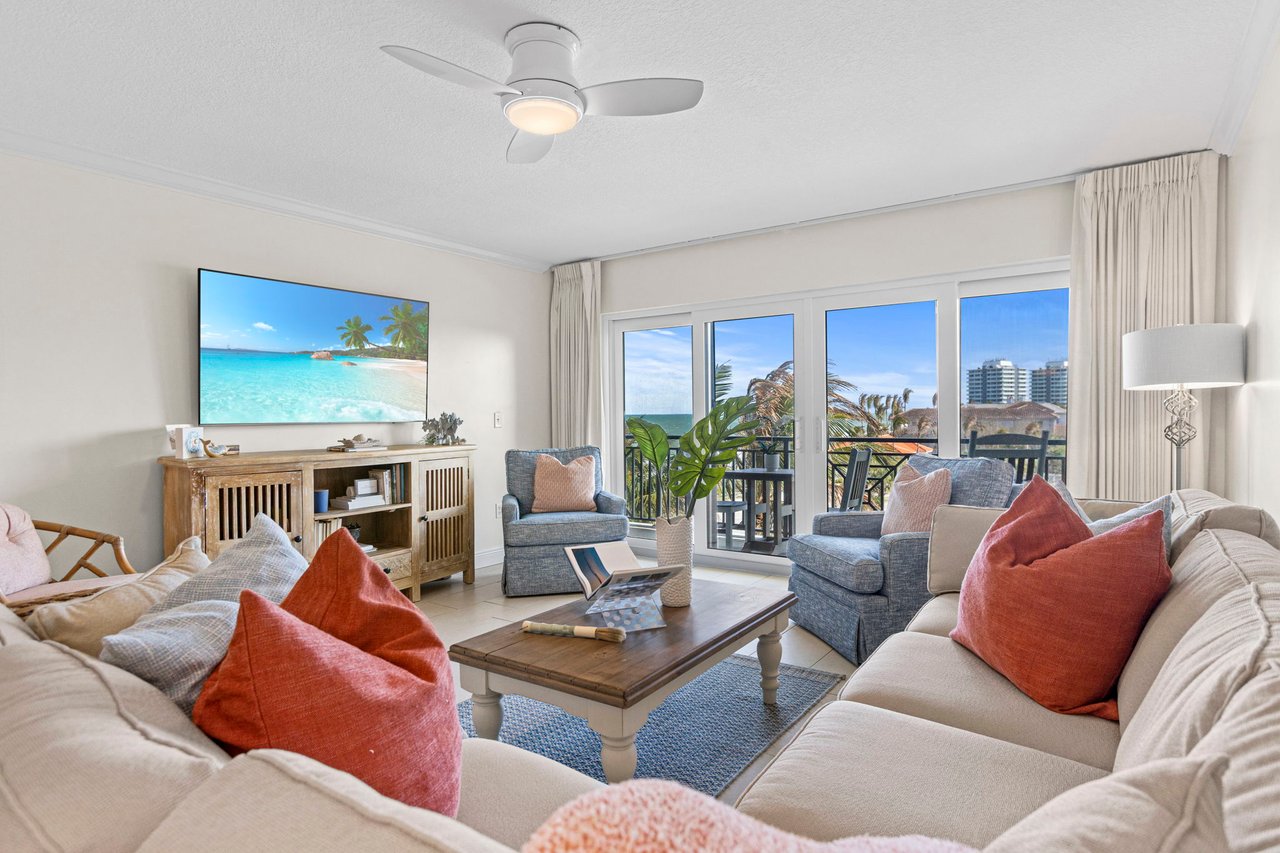
Two units, same building era, same square footage, same slice of ocean view from the balcony. One carries a monthly fee near $650. The other runs closer to $1,400. Most buyers walk toward the cheaper number without a second thought. On Vero Beach's barrier island in 2026, that instinct is exactly backward often enough that it deserves a second look before you write an offer.
The document that should worry you more than the price tag
Before a number on a listing sheet means anything, ask the association for four things: the milestone inspection report and whether the building passed Phase 1 or was pushed into a Phase 2 structural review, the current Structural Integrity Reserve Study and whether contributions match the funding schedule it lays out, the last twelve to twenty-four months of board meeting minutes, and the master insurance summary with deductibles and recent claims. Florida law entitles a prospective buyer to the reserve study and inspection summary before closing, A beautifully renovated unit inside a building with an unfunded reserve is a bet on the board's next vote, not on the finishes.
This is the step that separates a barrier island condo purchase from a single-family home purchase.
Why nearly every barrier island building is inside the window right now
The milestone inspection law that reshaped Florida condo buying traces back to the 2021 Champlain Towers South collapse in Surfside. M2E Consulting Engineers explains that the legislature's response, Senate Bill 4-D, requires buildings three stories or taller to pass a structural inspection once they reach a certain age, typically 30 years, or 25 years in coastal jurisdictions that have elected the earlier trigger. Many coastal jurisdictions have kept that 25-year threshold, and a building's age is measured from its certificate of occupancy, not from when the association was formed.
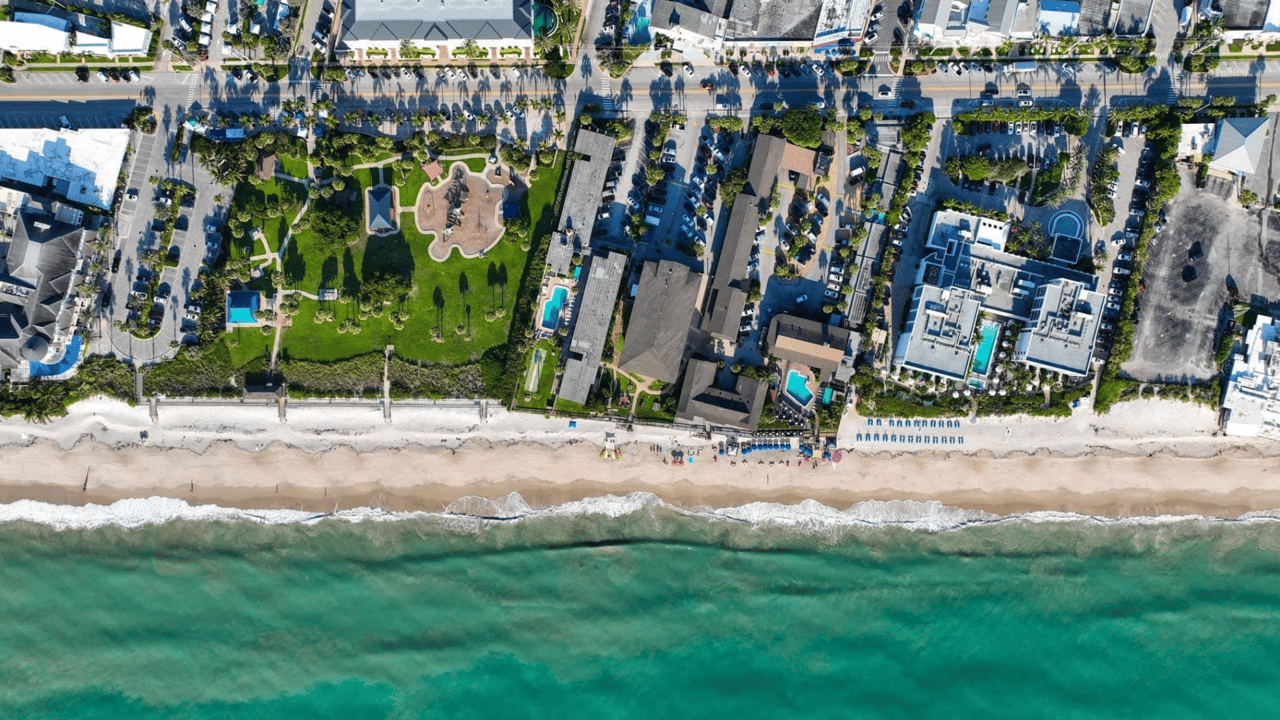
On Vero Beach's barrier island, that detail matters because of how old the housing stock actually is. A large share of the island's condo inventory sold since 2021 sits in buildings constructed in 1996 or earlier, which places nearly the entire local condo market inside the milestone inspection regime already. This isn't a future problem for a handful of aging towers. It's the present condition of most of the buildings a buyer will actually tour this year.
Layered on top of the inspection requirement is the Structural Integrity Reserve Study, or SIRS, which covers the big-ticket structural components: roofs, load-bearing walls, waterproofing, and similar systems. Associations that existed on or before July 1, 2022 had to complete their initial SIRS by December 31, 2025, under the extended timeline set by House Bill 913. Florida's Department of Business and Professional Regulation says boards lost the ability to vote to waive or underfund those structural reserves on any budget adopted after December 31, 2024, and full funding under the reserve schedule had to begin this January. For a board, 2026 was the year the deferral option disappeared. For a buyer, it's the year every association's paperwork shows what it has and hasn't saved.
What a funding percentage actually tells you
A reserve study doesn't just say a number exists. It breaks the building down into structural categories and, for each one, compares the current reserve balance to what's needed given the component's remaining useful life. Divide the first by the second and you get a funding percentage. A roof with ten years of life left and only forty percent of its replacement cost saved is a different conversation than a roof at ninety percent funded with the same timeline.
This is the mechanism behind the fee gap in the opening example. The building charging $1,400 a month has likely already absorbed the cost of catching up its reserves. The one at $650 may simply not have gotten there yet, which may mean future costs have not yet been reflected in the monthly fee.
Before writing an offer, request the association's reserve study alongside these:
- The milestone inspection report, noting whether the building cleared Phase 1 or is in a Phase 2 structural review
- The SIRS with per-component funding percentages, not just a total dollar figure
- Twelve to twenty-four months of board minutes, checked for any assessment discussion that hasn't reached owners yet
- The master insurance summary, including deductibles and recent claims history
- The resale or estoppel certificate
None of this replaces a standard home inspection of the unit itself. It comes first, because it tells you whether you're buying into a building that has already done the expensive work or one that's about to ask you to help pay for it.
Why lenders are reading the same paperwork you are
Even in a market where most barrier island buyers pay cash, the paper trail behind an association's finances still shapes what a unit is worth. That matters even to an all-cash buyer, because today's cash buyer is tomorrow's seller, and a seller wants the widest possible pool of future buyers, including the ones who need a mortgage to close.
A completed reserve study and a passed milestone inspection don't just protect against a surprise special assessment. A higher fee, in that light, isn't a cost the building imposed on you. It's a record of a decision the association already made, and made before you arrived.
Reading the fee as evidence, not a warning sign
The habit worth breaking is treating the monthly fee as the risk. The fee is a symptom. The reserve study is the diagnosis. A building that raised its dues to fully fund a SIRS has converted an invisible liability into a number you can verify on paper before you buy. A building that has deferred that work may still need to fund it through future dues or assessments.
Frequently asked questions
What's the difference between a milestone inspection and a SIRS? The milestone inspection is a structural safety check performed by a licensed engineer or architect at the 25 or 30-year mark and every ten years after. The SIRS is the financial planning document that tells the association how much it needs to have saved, and by when, to pay for the structural components that inspection covers.
What happens if an association hasn't completed its SIRS yet? Under Florida's current rules, that's a signal worth asking about directly.
If you're comparing barrier island condo buildings and want a second read on what a reserve study and fee history actually say about a specific address, The Sutcliffe Group can walk through the paperwork with you before you write an offer. Schedule a consultation.
This article is general information, not legal, tax or financial advice. Consult a qualified professional about your situation.