Imagine waking up to a pink sunrise over the Atlantic, walking the beach before breakfast, and winding down with a quiet sunset along the Indian River Lagoon. If you are considering a move or a seasonal rental on Vero Beach’s Barrier Island, you want a clear picture of daily life, real costs, and what to expect through the seasons. In this guide, you will learn how the island flows day to day, what homes are common, insurance and rental basics, and smart steps to take before you buy. Let’s dive in.
Island snapshot
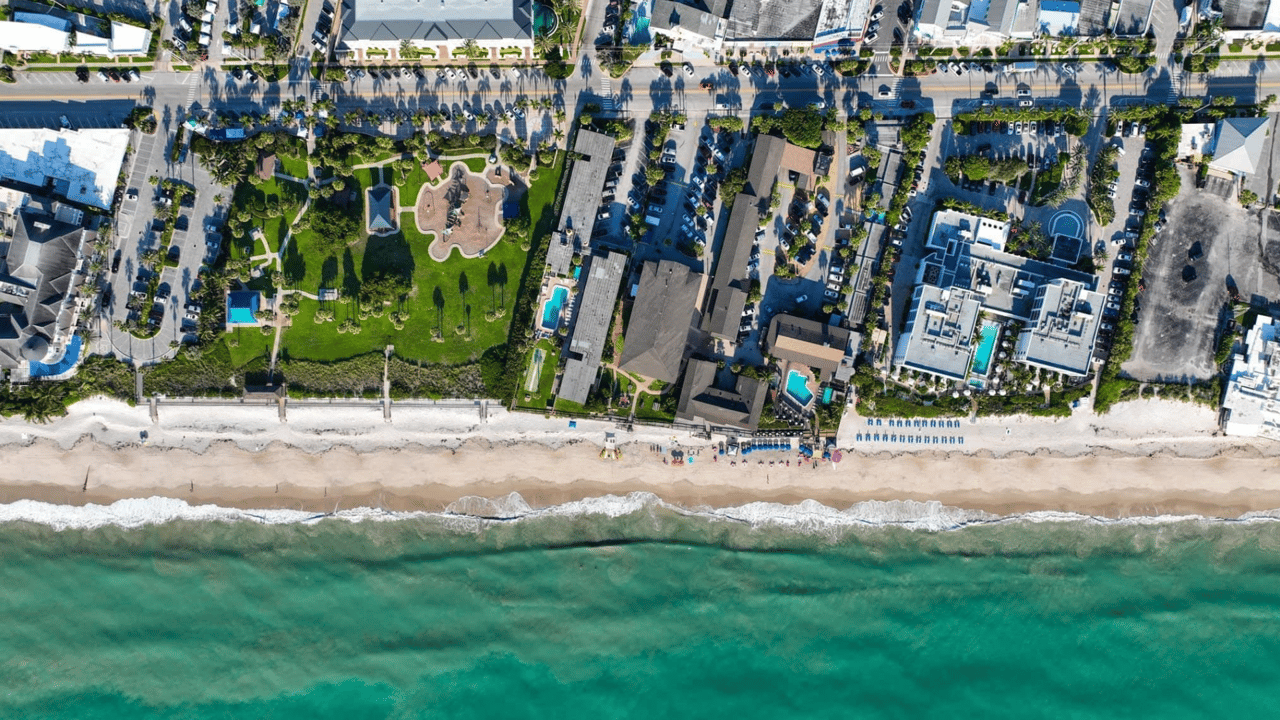
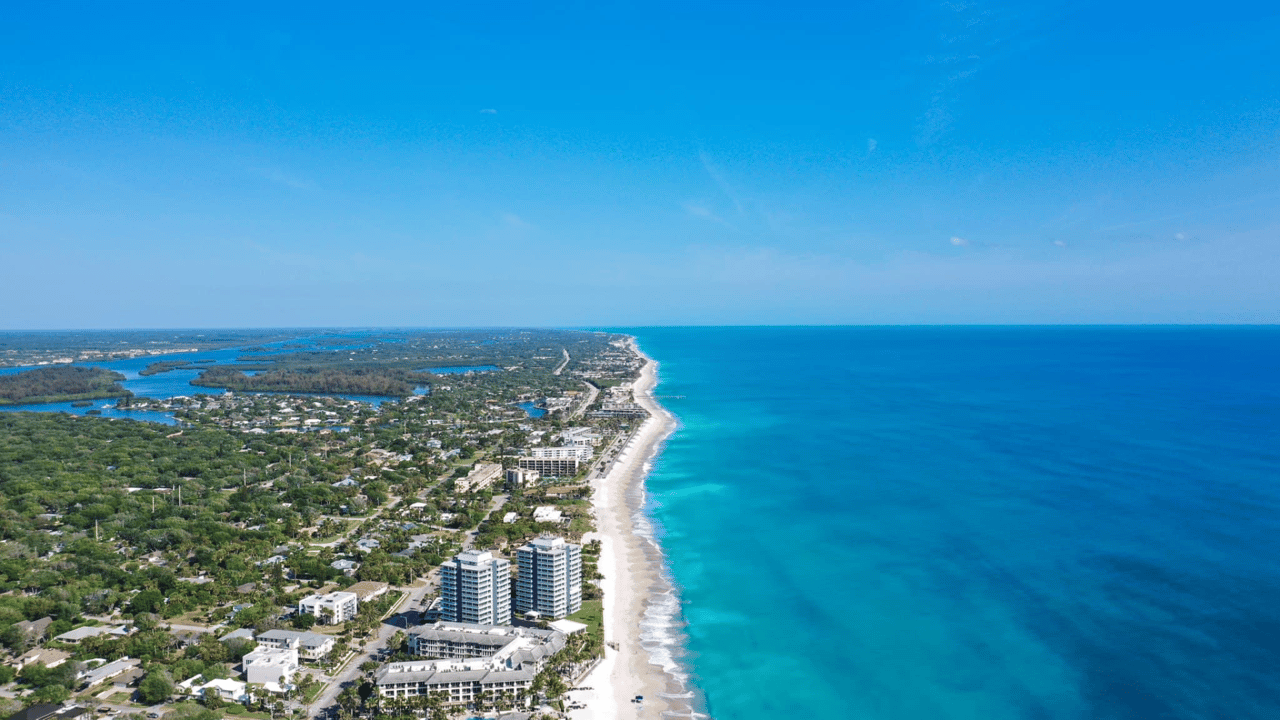
Vero Beach’s Barrier Island sits east of the Indian River Lagoon along State Road A1A. It is compact, oceanfront, and centered around the beachside neighborhoods most locals call “The Island.” The vibe is calm and easygoing, with parks, a walkable shopping and dining district along Ocean Drive, and quick access to the mainland for full-service errands.
Weather shapes life here. Summers are warm and humid with frequent afternoon thunderstorms, and winters are mild and drier with average highs in the low 70s. You can review monthly temperature averages in this Vero Beach climate summary.
Daily life highlights
Beaches and parks
Beach time anchors the island routine. Humiston Beach Park on Ocean Drive is a favorite for morning walks, lifeguarded swimming during posted hours, and a great playground for kids. South Beach Park offers wide sand and simple access, and Turtle Trail to the north is a great, hidden-gem-style beach access. Locals know weekend parking fills up fast, so early mornings are prized.
Walkable pockets and errands
Ocean Drive is the heart and soul of the Barrier Island, where locals go for morning coffee, their weekly farmer's market haul, dining out, afternoon ice cream, and boutique shopping. You will find many daily needs here, but major, grocery stores, big-box retail, etc. are on the mainland, which is a short drive over the bridge.
Food and evenings
Dining ranges from oceanfront hotel restaurants to longtime, locally-owned hangouts. Try Ceci's favorite restaurant, The Tides, or check out Bobby's, which is Gary's fave! You will also find classics, like Ocean Grill ,and coffee shops that double as music spots. The overall mood on the island is relaxed, with live music most days and nights of the week. For a full list of our top places to eat and drink check out our Living Like a Local recommendations.
Arts and nature
You are minutes from cultural anchors like the Vero Beach Museum of Art, which offers rotating exhibitions, classes, and events. Nearby, McKee Botanical Garden and Pelican Island National Wildlife Refuge provide easy nature escapes for a midday break or a weekend outing. Year-round programming gives you options beyond the beach.
Boating and lagoon time
The Indian River Lagoon is a daily playground for boaters and paddlers. The city’s Vero Beach Municipal Marina supports local boating, and you can find kayak and paddleboard rentals or book inshore fishing charters when friends visit. Many waterfront owners keep small boats or paddlecraft ready for sunrise or after-work sessions.
Sea turtle season etiquette
From roughly May through October, local beaches support sea turtle nesting and hatchlings. Island communities follow lighting and beach behavior rules to protect nests. If you are new to coastal living, start with these sea turtle conservation tips so you know what to do after dark and how to avoid disturbing marked areas.
Homes and prices
On the island you will see a mix of oceanfront, single-family homes, lagoon or intracoastal homes with docks, and a range of low and mid-rise condos. Condos often appeal to second-home buyers who want a lock-and-leave setup with shared maintenance. Single-family homes, especially oceanfront, command a premium and can require more hands-on upkeep.
Prices vary widely based on proximity to the ocean or lagoon. The 32963 zip code, which covers much of the barrier island, carries a higher median than the mainland. Realtor.com shows a median around this level for 32963 in recent data, which you can explore on the 32963 market page. Countywide, the median sits in the low-to-mid 400 thousands, highlighting the island premium compared with the mainland. You can compare those county figures on the Indian River County overview.
Insurance and storm prep
Coastal ownership comes with specific due diligence. Many parcels on the island sit in FEMA flood zones, and lenders typically require flood insurance in those areas. Wind or hurricane coverage is also essential for most island properties. Before you make an offer, request an elevation certificate, current flood and wind quotes, and the history of any seawall or bulkhead if the property is waterfront. For a practical starting point, review this local guide to coastal due diligence on flood zones, elevation, and insurance.
When storms approach, residents follow standard coastal prep: secure outdoor items, test generators, confirm shutter operation, and watch official advisories. Our insurance carrier and local vendor networks can help you design a simple checklist for your home type.
Short-term rentals and taxes
If you plan to rent for less than six months in Vero Beach, you should be prepared to pay taxes. Indian River County levies a Tourist Development Tax on short-term rentals. The current rate is 11% of the gross rental amount. Start with the county’s official Tourist Development Tax guidance, and always confirm any HOA or condo restrictions before you enter into a new rental agreement.
Ongoing costs and local services
Build a budget that reflects island realities. Plan for property taxes, HOA or condo dues where applicable, flood and wind insurance premiums, and routine maintenance. Waterfront owners should include dock and seawall inspections and upkeep. While everyday coffee and basics are on the island, most large grocery stores, medical centers, and specialty services are on the mainland a short drive away.
Schools, healthcare, and transit
Families should verify school zoning before purchasing. Private options exist nearby, including St. Edward’s School, a PK through 12 program. For healthcare, Cleveland Clinic Indian River Hospital serves the area with emergency and hospital services on the mainland within a short drive. County buses connect beachside stops to mainland shopping and medical hubs, but most residents rely on personal vehicles or ride services.
A day on the island
- Morning: Walk or jog the beach at sunrise, then grab coffee along Ocean Drive. On select weekends, check out the seasonal Saturday farmers market near Humiston Park.
- Midday: Paddle the lagoon or book a short inshore charter, then meet friends for a waterfront lunch. Explore a family class or exhibition at the art museum or stroll McKee Botanical Garden.
- Evening: Enjoy a low-key oceanfront dinner, then catch live music at a local spot. In off-season months, expect a calmer scene and easier parking.
Is the island a good fit for you?
Choose the island if you value daily beach access, a walkable dining and boutique corridor, and quick reach to boating and arts. It works well for both year-round and seasonal living. Just balance your lifestyle goals with ownership realities like insurance, flood zones, and HOA rules. A clear plan and local guidance make the difference.
Ready to explore homes, compare neighborhoods, and build a smart offer strategy tailored to you? Connect with The Sutcliffe Group for concierge-level guidance and a negotiation plan that gives you an Edge.
FAQs
What is the typical Vero Beach Island climate like
- Expect warm, humid summers with regular afternoon storms, and mild, drier winters with highs in the low 70s. Hurricane season runs June 1 to November 30.
How much more do island homes cost than mainland homes
- The 32963 island zip shows a higher median than the county overall, reflecting an island premium. Review current figures on Realtor.com’s 32963 page and the county overview.
What should I check for insurance on a barrier island home
- Ask for an elevation certificate, written flood and wind quotes, and any seawall or dock history. Many island parcels are in FEMA flood zones where flood insurance is typically required by lenders.
Do I need a car to live on Vero Beach Island
- If you live in between the bridges, you can walk to many beachside spots, but most residents use a car for mainland grocery runs, medical visits, and big-box, retail errands.