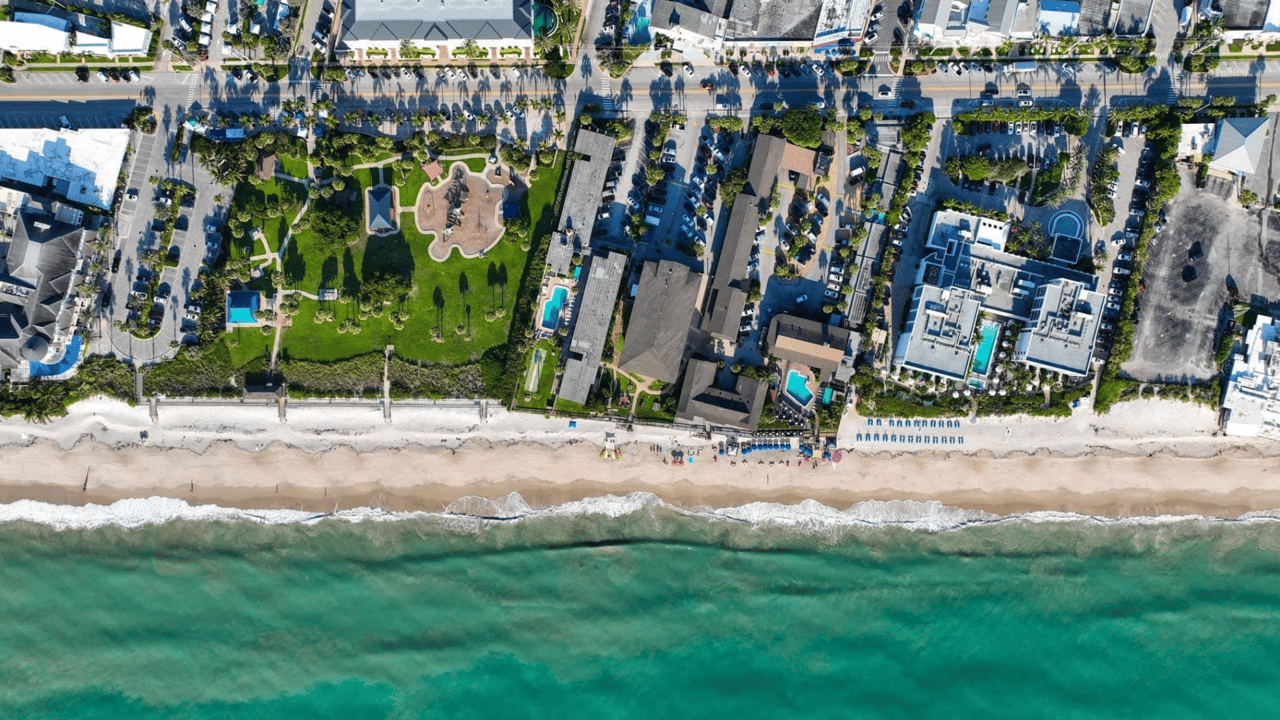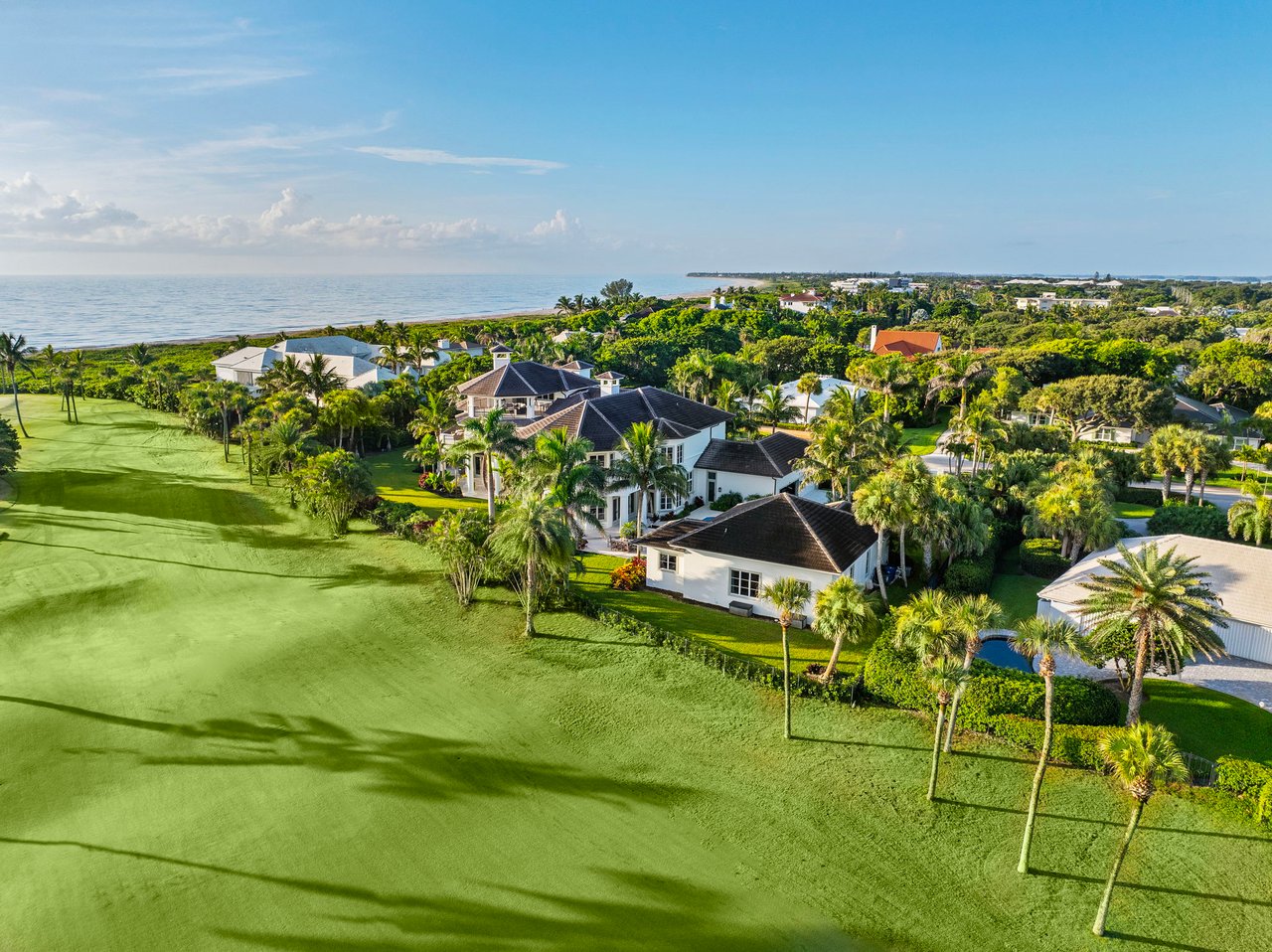
If you are trying to time a move on Vero Beach Island, the calendar matters more than many people expect. This is not just a beach market. It is a barrier-island market shaped by weather, visitor patterns, and a pace that can feel very different from one season to the next. When you understand those seasonal shifts, you can make smarter decisions about when to list, when to tour, and what to expect along the way. Let’s dive in.
Why Seasonality Matters on Vero Beach Island
Vero Beach has a distinct coastal rhythm. Visit Indian River County describes the area as a 22.4-mile beach paradise, and that identity influences how buyers and sellers experience the market throughout the year. The National Weather Service says the wet season typically begins around May 26, while the dry season usually starts around October 17.
That weather pattern overlaps with another key factor. NOAA says Atlantic hurricane season runs from June 1 through November 30, with a peak around September 10. In practical terms, late fall through spring often feels easier for touring, showings, and moving through the transaction process, while summer can bring more interruptions from heat, rain, and storm concerns.
What the Data Shows by Season
Public market data for Indian River County points to a clear seasonal pattern. New listings tend to be more active in late winter and early spring than they are in late summer. From January through March in 2023 to 2025, average new listings were about 503 per month, compared with about 354 from July through September.
That is a meaningful difference. It suggests that more fresh inventory usually comes to market before summer arrives. For buyers, that often means more choices. For sellers, it means your home may enter the market when more shoppers are actively watching for new opportunities.
Active inventory also runs higher earlier in the year. In the Sebastian-Vero Beach CBSA, active listings averaged about 1,493 in January through March, compared with about 1,351 in July through September. That is a smaller gap than new listings, but it still reinforces the same seasonal pattern.
Days on Market Tend to Stretch Later in the Year
Another important signal is how long homes take to sell. In Indian River County, median days on market averaged 67.3 days in January through March from 2023 to 2025. In July through September, that figure rose to 78.3 days.
That 11-day difference may not sound dramatic at first, but it matters when you are planning a sale or trying to coordinate a purchase. A longer timeline can affect pricing strategy, preparation, travel plans, and negotiation decisions. On the island, it also reflects a market that tends to work at a measured pace rather than a rush.
That slower pace is especially relevant in ZIP code 32963. Realtor.com reports a median listing price of $1.15 million, 533 homes for sale, median days on market of 106 days, and a 95% sale-to-list ratio in May 2026. Redfin also describes 32963 as not very competitive, with homes selling in about 122 days.
The takeaway is simple. Seasonality matters, but it operates within a market that already tends to move deliberately. Good timing helps, but it does not replace strong pricing, thoughtful presentation, and patience.
Best Timing for Sellers on Vero Beach Island
If your goal is broad exposure, late winter and early spring often offer the strongest launch window. That is when public data shows more new listings entering the market, and buyers are often watching closely for fresh options. On Vero Beach Island, that timing can help your property meet the market before summer weather creates more friction.
That does not mean winter is automatically the right answer for every home. Because the island market is measured, sellers still need a strategy that fits the property, price point, and likely buyer pool. A strong seasonal window can support momentum, but it does not override the basics.
For many sellers, the first impression period matters a great deal. The Sutcliffe Group emphasizes generating strong early attention, and seasonality can support that goal. When more buyers are active and showings are easier to schedule, your home may have a better chance to stand out quickly.
What Summer Sellers Should Expect
If you plan to list in summer, it helps to prepare for a longer marketing runway. County data shows longer median days on market in July through September, and that stretch sits inside both the wet season and hurricane season. Showings, inspections, and other steps can become harder to schedule smoothly.
That does not mean you should avoid a summer listing. It means you should enter the market with clear expectations and solid preparation. In a season with more weather-related interruptions, condition, presentation, and flexibility become even more important.
Best Timing for Buyers on Vero Beach Island
For buyers, the biggest seasonal advantage is often selection. Late winter and early spring tend to bring more new listings, which can create more options across island neighborhoods, condo choices, and waterfront property types. If you want the widest view of what is available, that period may offer the best shopping environment.
At the same time, more inventory does not always mean less competition on every property. Well-positioned homes can still attract serious attention. That is why buyers benefit from a clear plan before the season gets busy, especially if you are relocating or shopping with limited time in town.
Summer and early fall offer a different tradeoff. The pace may feel slower, and some buyers may appreciate having more time to think and negotiate. The tradeoff is that there are usually fewer fresh listings to choose from.
How Touring Feels in Different Seasons
On Vero Beach Island, timing is not just about statistics. It is also about how easy it feels to be on the ground, touring homes, revisiting favorites, and completing due diligence. Visit Indian River County notes that winter is when crowds have thinned, and the dry season begins in mid-October.
That helps explain why winter and early spring often feel more comfortable for in-person house hunting. Summer can still be productive, but repeated showings and inspection scheduling may be more cumbersome when weather conditions are less predictable. If you are buying from out of state, that difference can shape how many homes you can realistically see and compare in one trip.
How to Use Seasonality Without Overthinking It
The smartest approach is to treat seasonality as one part of the decision, not the whole decision. If you are selling, timing can help your home reach buyers at a more active moment, but pricing and presentation still drive results. If you are buying, timing can improve your choices or your pace, but the right property may appear outside the so-called ideal season.
This is especially true in 32963, where the market tends to be premium and measured rather than hyper-competitive. In that kind of environment, strategy matters more than trying to force a move into one perfect month. You want to understand the rhythm, then build your plan around your goals.
A Practical Seasonal Game Plan
If you are deciding when to act, this simple framework can help:
- List in late winter or early spring if you want to align with the strongest wave of fresh buyer activity.
- List in summer if needed, but prepare for a longer timeline and more weather-related scheduling friction.
- Shop in late winter or early spring if your priority is seeing the widest range of listings.
- Shop in summer or early fall if you prefer a slower pace and can accept fewer fresh options.
- Focus on strategy year-round because timing helps, but pricing, condition, and negotiation still matter most.
In a market like Vero Beach Island, the edge comes from reading both the data and the real-world conditions behind it. That is where local guidance can make the process feel more focused and less reactive.
If you are planning a purchase or sale on Vero Beach Island, The Sutcliffe Group can help you build a timing strategy around your goals, your property, and the way this market actually moves.
FAQs
When is the best season to list a home on Vero Beach Island?
- Late winter and early spring are often the strongest listing window because new listings and buyer attention tend to be higher before summer weather slows activity.
When do buyers see the most new listings on Vero Beach Island?
- Buyers usually see more fresh inventory in late winter and early spring, when Indian River County new listings run noticeably higher than they do in late summer.
Does summer home shopping on Vero Beach Island still make sense?
- Yes. Summer can offer a slower pace, but you should expect fewer fresh listings and more weather-related interruptions during touring and due diligence.
Do homes on Vero Beach Island take longer to sell later in the year?
- Public data for Indian River County shows median days on market are longer in July through September than in January through March.
Does pricing matter more than season on Vero Beach Island?
- Yes. Seasonality can help, but in a measured market like 32963, pricing and property condition remain key drivers of the outcome.