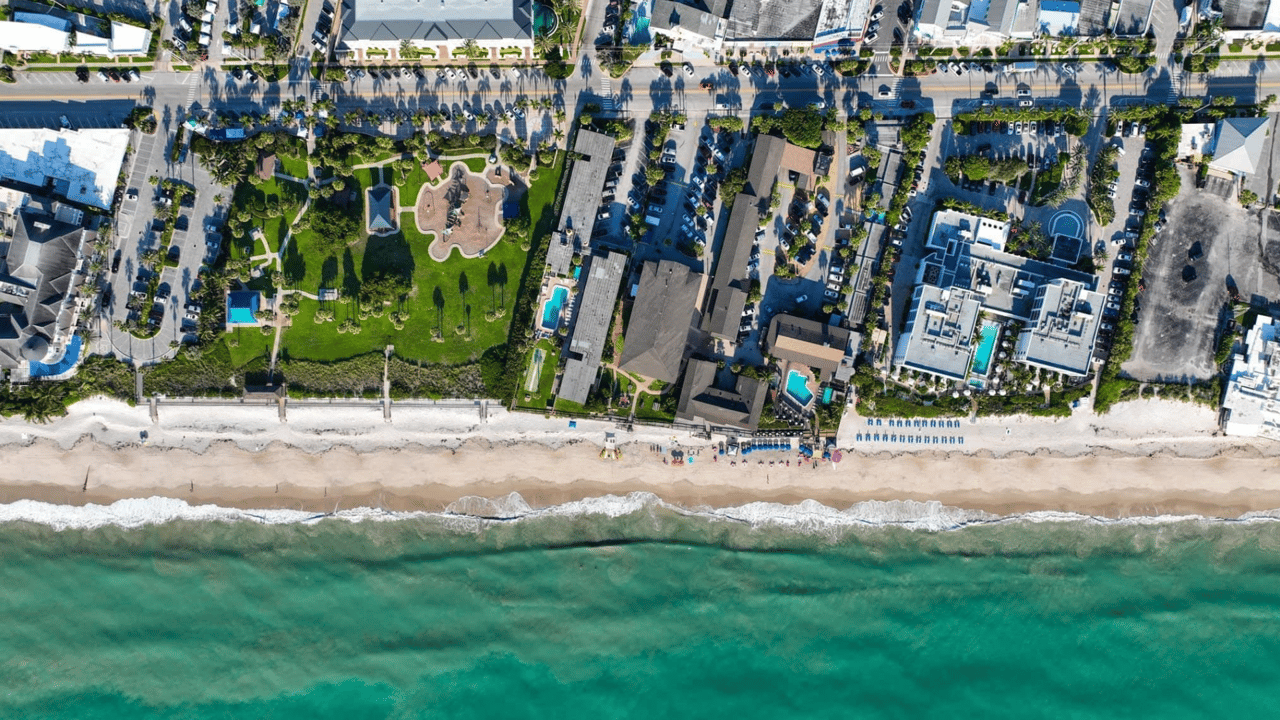
Most Julys on a Florida barrier island are defined by what closes early. On Vero Beach Island, July is defined by what opens late. From roughly 9 p.m. onward, a handful of nonprofits and one Disney-run beach program quietly become the most sought-after reservations on the island, and the reason is sitting a few hundred yards north of the Wabasso Bridge.
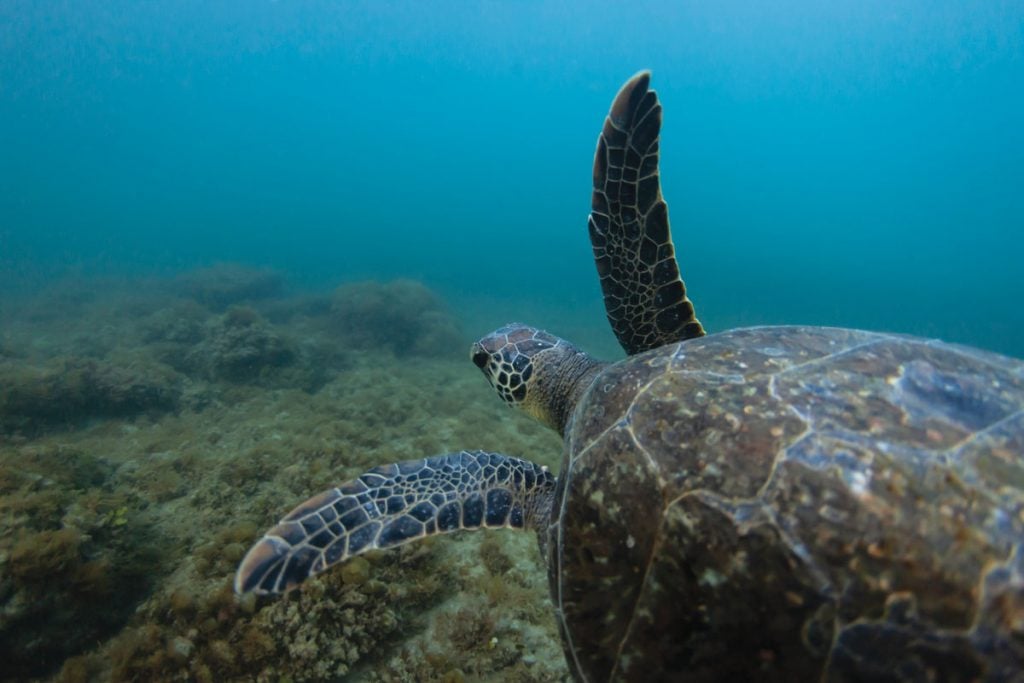
The stretch of sand running from north county through Sebastian Inlet is part of the Archie Carr National Wildlife Refuge, the largest nesting habitat for loggerhead sea turtles in the Western Hemisphere, with more endangered green sea turtle nests than any other place in North America, plus leatherback nests as well. That is the backdrop for daily life here in July. It also explains why the island's summer calendar looks nothing like the mainland's.
The thesis, stated plainly
If you live on the island year-round, your July evenings are shaped less by restaurants and sunset cocktails than by two things: a scout radio channel run by a Vero-based nonprofit, and a 9 p.m. meeting time on a stretch of A1A. The island is not adjacent to a working nesting habitat. It is the working nesting habitat. Once you internalize that, the rest of the summer programming here starts to make sense.
What you can still get into this month
Registration for all of the below opened May 1, and popular nights fill within days. Cancellations do surface, so it is worth checking in weekly. Four programs run on the island and just north of it:
- Coastal Connections night walks. Coastal Connections is Vero Beach's only nonprofit dedicated to sea turtle recovery through conservation, education, and research. Their Friday walks meet at Grand Harbor Beach Club, 8500 A1A. Capacity is capped by their Marine Turtle Permit, and a $20 refundable reservation deposit is required per seat. Scouts survey the beach from 9 p.m. while guests stay inside for games and a short program until a nesting turtle is located; the walk lead then takes the group out to view the nesting loggerhead and conduct a mini light survey.
- Friends of Sebastian Inlet State Park walks. Run out of the McLarty Treasure Museum at 13180 N. A1A. Walks are held Monday, Tuesday, Friday, Saturday, and Sunday nights between June 1 and July 31, capped at 20 people per night, at $10 per person paid in advance.
- Disney's Vero Beach Resort at Wabasso Beach. Guests can interact with Disney Conservation Experts on the beach and potentially watch green, leatherback, and loggerhead eggs hatch during nesting season; the resort also hosts the annual Tour de Turtles, which tracks two female sea turtles and their hatchlings and draws hotel guests and researchers to the beach to watch the mothers race back to the ocean. The event has historically landed on the last weekend of July.
- Post-hatch Turtle Digs. These are the sleeper pick. More on that below.
The Turtle Dig is the easier ticket
If the night walks are full, the second half of the season offers a different experience that is often overlooked. Coastal Connections holds Turtle Digs during July and August, three days after a nest hatches, at Ocean Grill, 1050 Beachland Blvd, with a donation within your means suggested. Digs cannot be scheduled onto the calendar until after a nest actually emerges, which is why they appear on short notice.
The trade-off is straightforward. A night walk is a shot at watching a 300-pound loggerhead dig and deposit eggs in real time, and there are no guarantees she shows up. A dig is a daylight-friendly, family-workable event where staff excavate a marked nest and inventory what was left behind after the hatchlings emerged. If you have grandchildren visiting or friends who are not going to make it to 11:30 p.m. on a Tuesday, the dig is the better fit. The catch is you have to be watching the Coastal Connections calendar closely and be willing to move on a day or two of notice.
How the four programs actually compare
| Program | Meeting point | Nights | Cost | Reservations |
|---|---|---|---|---|
| Coastal Connections walks | Grand Harbor Beach Club, 8500 A1A | Fridays in June and July | $20 refundable deposit | Opened May 1 |
| Friends of Sebastian Inlet walks | McLarty Treasure Museum, 13180 N. A1A | Mon, Tue, Fri, Sat, Sun, June 1–July 31 | $10 per person | Advance, capped at 20 |
| Coastal Connections Turtle Digs | Ocean Grill, 1050 Beachland Blvd | July and August, three days post-hatch | Donation suggested | Announced short notice |
| Disney's Vero Beach Resort | Wabasso Beach | Tour de Turtles typically last weekend of July | Varies | Through the resort |
Vero Beach recorded over 11,000 sea turtle nests across all species in 2025, which is worth holding next to the fact that a single walk group of 20 might see one turtle emerge on a given night. The density is real. The odds on any given evening are still weather- and turtle-dependent.
What this actually looks like from a beachfront home
For island homeowners, the season is less about the tickets and more about the small adjustments that go with living on a nesting beach. A few of them are worth naming.
The lighting rules matter, and they are the reason your neighbors with oceanfront lots have amber-hued fixtures and low shielded landscape lights. Hatchlings orient by the brightest horizon. Interior lights visible through uncovered sea-facing windows can pull them inland, away from the water. Long-time island residents already know this. Newer owners often learn it the first time a nest is marked on the beach in front of their property.
The scout system is real, and it is a nice piece of local texture to know about. On Coastal Connections walk nights, permitted scouts are out on the sand well before the group leaves the beach club, and their radio calls determine whether and where a walk goes. Late arrival is not a small courtesy problem. It can cost the whole group its walk.
If you happen to see a nesting sea turtle or hatchling while you are on the beach, keep your distance, remain quiet, keep hands and other objects off the turtles, and keep all lights off, including cell phones and flashlights.
That guidance is straight from the Florida Fish and Wildlife Conservation Commission, and it applies to residents on their own beach access just as much as it does to walk participants. In practice, that means the beach after 9 p.m. in July is a place you visit without a phone screen on.
If you are hosting visitors this month
A few things to line up early:
- Book the walk or the dig first, then plan dinner around it, not the other way around. Ocean Drive dinner reservations are easier to move than a permitted turtle walk.
- Pick the program that matches the guest. Grandchildren under eight, retired parents who fade at 10 p.m., a friend who wants a photo op: the Turtle Dig at Ocean Grill is the answer. A partner who wants the once-in-a-lifetime experience of watching a 300-pound loggerhead nest: the Grand Harbor Beach Club night walk.
- Assume nothing about the weather. Walks and digs go rain or shine, and the beach in a July squall is still the beach in a July squall. Long sleeves, closed shoes, red-filtered flashlights if you own them.
- Save the Barrier Island Center on Wabasso Road for the daytime portion of the visit. It is a good primer for guests who want context before the evening program.
Why this shapes the island market too
None of the above is a market update, and this post is not trying to be one. It is worth saying, though, that when clients ask what it feels like to live on the island in the off-season, this is the honest answer. July is not a quiet month here. It is a differently-scheduled one. The reservations that fill first are not for restaurants. They are for programs that end near midnight and are run by biologists in field boots. That is a specific kind of place to live, and it is one of the reasons long-time island owners tend to stay.
If you are considering the island as a full-time or seasonal home and want a candid read on which stretch of A1A fits the life you actually want to live here, The Sutcliffe Group is glad to help. Schedule a consultation.