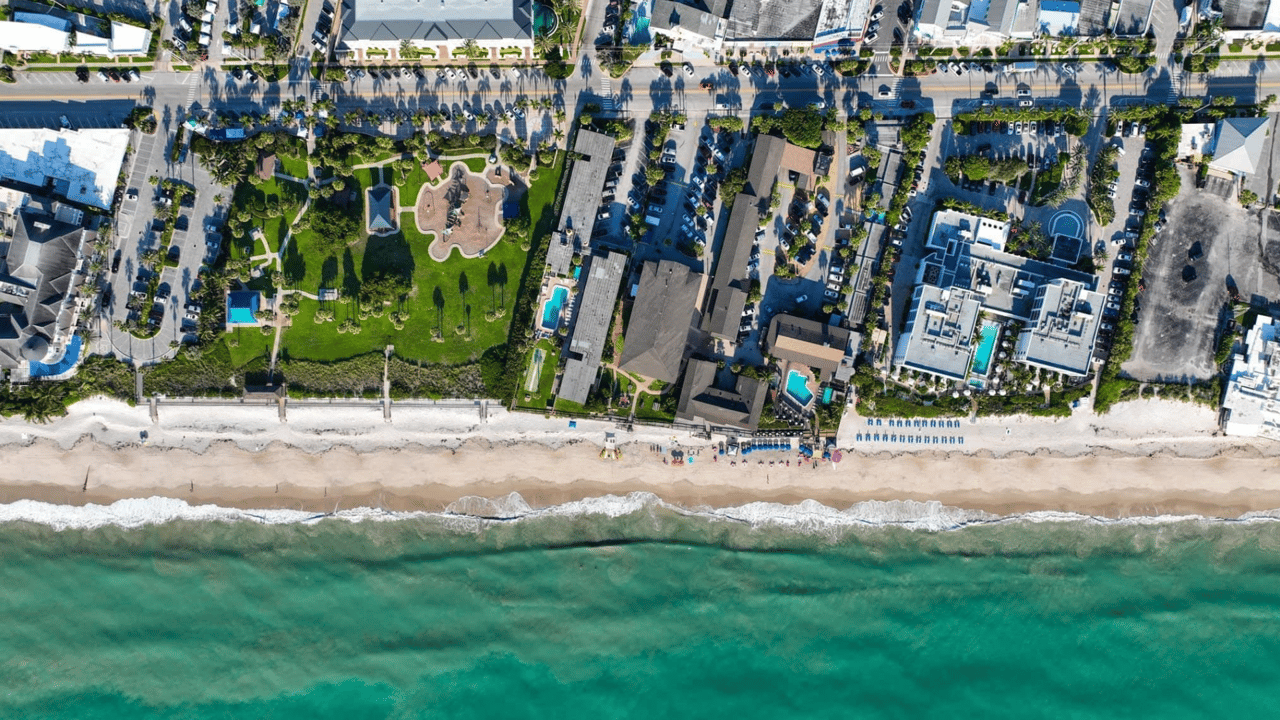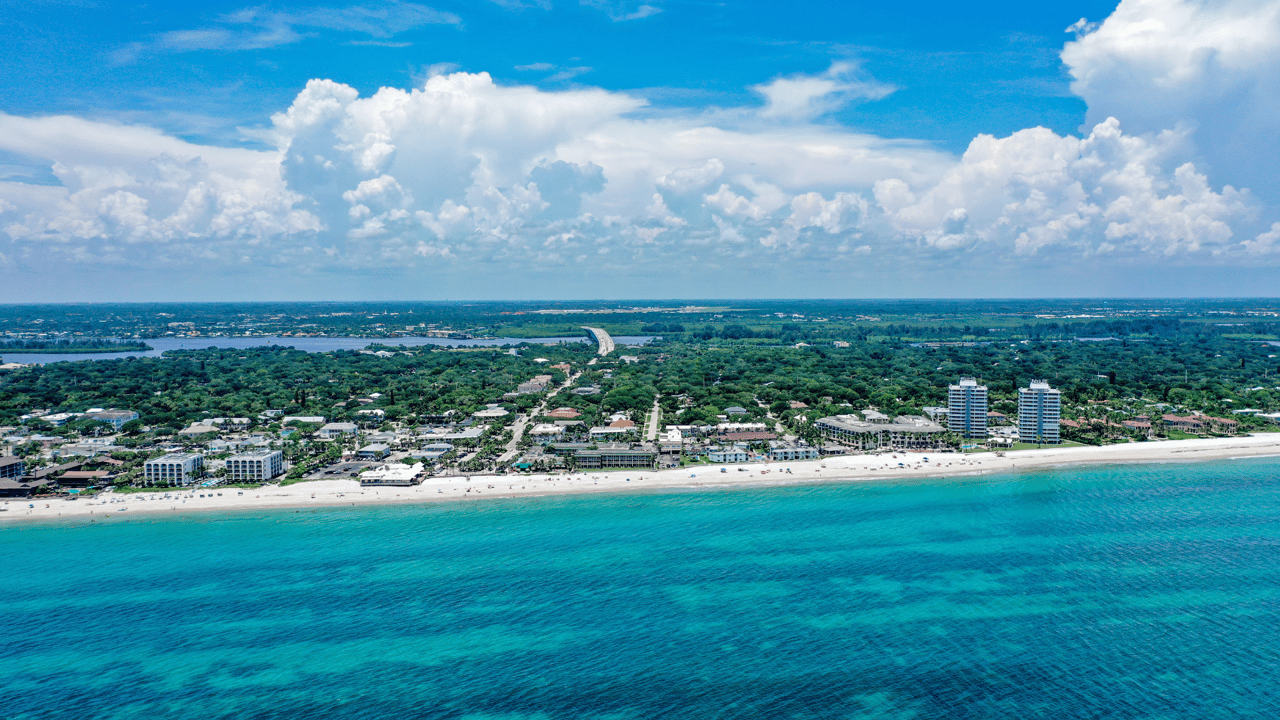
You love the idea of waking up to Atlantic breezes, but the thought of buying on Vero Beach's Barrier Island from another state feels complex. Your time is limited, and you want clarity on risks, insurance, and how to make a confident decision without spending weeks or months in Florida. This guide gives you a streamlined, remote-first path to evaluate homes, run due diligence, and close smoothly.
You will learn how to prepare finances, structure virtual tours, plan a focused 48-hour scouting trip, manage inspections from afar, and complete a remote closing. Let’s dive in.
Why Vero Beach's Barrier Island
Vero Beach's Barrier Island delivers beach access, boating, and a relaxed coastal lifestyle. Island and waterfront homes command a premium over Mainland listings. Inventory and activity can shift with the season, and winter typically brings more listings and more buying opportunities.
Market data providers often show different median price snapshots for Vero Beach and Indian River County. That is normal, and it reflects different data sets and time frames. The key is to compare neighborhood-level trends and recent comps on the Island before you make an offer. A local, island-focused review is essential.
Coastal risks also matter. Indian River County uses updated FEMA Flood Insurance Rate Maps that took effect in 2023. Always confirm a property’s current flood zone and whether an Elevation Certificate exists. You can check county resources for flood-zone updates and then verify the address on the FEMA Flood Map Service Center. For zoning, note that the City of Vero Beach has taken steps to regulate transient vacation rentals in many residential areas. If short-term renting is relevant to your plan, verify the property’s jurisdiction and zoning before you write an offer.
- County flood-zone updates: Indian River County planning and flood resources
- Address-level flood maps: FEMA Flood Map Service Center
- Short-term rental context: Local coverage of Vero Beach’s approach
Your remote-first timeline
A clean, remote-friendly sequence helps you move quickly and reduce stress.
- Pre-qualification and document setup.
- Virtual discovery and property vetting.
- A focused 2–4 day scouting trip.
- Offer with remote-friendly contingencies.
- Inspections and insurance underwriting.
- Remote closing with e-notary support.
Weeks 2–4: Financial prep and title basics
Speak with a lender who understands Florida second-home financing. Ask about down payment ranges for second homes, cash reserve expectations, and whether they support fully digital document verification. Industry guidance based on conventional standards shows second-home loans often require at least two months of mortgage reserves, and many buyers use 10 to 20 percent down or jumbo financing. Confirm your lender’s exact rules early. Review background from the Fannie Mae Selling Guide.
Plan for Florida transfer taxes. The state charges documentary stamp tax on deeds. Outside Miami-Dade, the rate is 0.70 per 100 dollars of consideration. Review the state’s summary at the Florida Department of Revenue and ask your title company for a closing-cost estimate.
- Doc stamp example: A 2,000,000 dollar purchase would carry 14,000 dollars in deed doc stamps at the standard rate.
For a smooth remote closing, confirm that your title company supports Remote Online Notarization and e-recording in Indian River County. Florida authorizes properly registered remote online notaries. See the state’s rules from the Florida Department of State.
Virtual discovery and vetting
Treat your first pass like a digital due diligence sprint. Ask your agent to assemble a virtual package before you fly.
Request the following:
- A recorded, high-resolution walk-through from street to interior.
- Any 3-D or Matterport tour.
- A live video tour that includes attic views, roof eaves, mechanical labels, and garage.
- Drone footage of the exterior and a quick neighborhood drive-through.
- Seller disclosure, recent survey, permit history, and recorded title paperwork.
- HOA or condo documents, current budget, reserve information, and insurance summary.
- Flood-zone details and any Elevation Certificate.
- Any prior inspections or insurance-loss history.
Start early on insurability. In coastal Florida, insurers often want wind mitigation and sometimes a 4-Point inspection before binding coverage. The state’s overview of mitigation credits is helpful for planning. Review guidance from the Florida Department of Financial Services.
Plan a 48-hour island scouting trip
A short trip can be decisive if you follow a structured plan and schedule weekday windows for access to HOA offices and inspectors.
Suggested 2-day itinerary
-
Day 1 morning: Guided neighborhood tour, beach access points, and quick stops for grocery, medical, and services.
-
Day 1 afternoon: In-person showings of your top candidates and a meet-and-walk with an inspector if available.
-
Day 1 evening: Drive the area at sunset to assess lighting, noise, and traffic.
-
Day 2 morning: On-site document review with your agent, title contact, or HOA manager.
-
Day 2 late morning: Targeted roof, structure, and if waterfront, seawall and dock review with an inspector or marine contractor.
-
Day 2 afternoon: Review closing steps with your lender and agent so the offer terms match your remote needs.
Timing tip: Aim to scout outside hurricane season when possible, and build buffer time to revisit a favorite property in different light.
On-property coastal checklist
Use your in-person time to confirm the details that matter most for the Barrier Island.
- Roof age, attachment, and visible straps at roof-to-wall connections.
- Elevation of first habitable floor and presence of an Elevation Certificate.
- Seawall, dock condition, and permits if waterfront.
- Signs of salt corrosion on fasteners and mechanicals.
- Evidence of moisture intrusion or mold.
- Pool equipment and drainage.
- Exterior paint and trim wear.
- Any termite or wood-destroying organism treatment history.
Ask your inspector to complete a wind-mitigation report, since the state’s Uniform Mitigation Verification form can generate credits. For background on mitigation, review the state’s guidance on wind mitigation and inspections.
Under contract from another state
Once you are under contract, treat inspections like a live, documented event. Hire a licensed home inspector and relevant specialists, such as a structural engineer, roof expert, or marine contractor for seawalls and docks. Ask for a livestream during the inspection and a report with high-resolution photos and timestamps.
Insurance underwriting may require a 4-Point inspection and a wind mitigation report, especially for older homes. Your inspector can usually complete both forms and include the photos insurers require. Early coordination keeps your closing timeline on track.
Remote closing and title
Florida closings are often managed by title companies and licensed title agents. Florida is not an attorney-required state for routine residential closings, though some buyers still engage a real estate attorney for review. Title agent licensing is governed by state law, which you can review in Florida’s statutes for title and insurance licensing.
E-closing readiness checklist
- Confirm the title company supports Remote Online Notarization and e-recording. See the state’s RON rules at the Florida Department of State.
- Require delivery timelines for a clear title commitment and allow a short extension if cure work is needed.
- Clarify who pays documentary stamps and any local prorations. Review the Department of Revenue summary.
- Include a clause that both parties will cooperate with remote signing instructions from the title company.
Ownership costs and calendar
If you plan to establish Florida residency, the homestead exemption applies only to your primary residence as of January 1 for that tax year. You must file with the property appraiser by March 1 and provide standard proof of residency. Review deadlines and details with the Indian River County Property Appraiser.
Insurance on the barrier island reflects wind and flood risk. If the home sits in a Special Flood Hazard Area, your lender will require flood insurance. Older roofs and missing mitigation features can increase premiums. Budget time for wind mitigation and 4-Point inspections, and ask your insurance broker for early estimates.
Condo and HOA budgets matter. Reserve studies, recent special assessments, and insurance line items can impact your monthly costs and lender approval. If you are financing a condo, remember that project standards and reserve adequacy can affect underwriting. For background, consult the Fannie Mae Selling Guide and request full HOA documents before you write.
For long-term upkeep, coastal homes often need higher exterior maintenance due to salt exposure. Plan for routine painting cycles, corrosion mitigation, roof and opening upgrades, and seawall or dock care if waterfront.
Virtual visit: 10 items to request before you fly
- Recorded 4K walk-through from curb to interior.
- 3-D or Matterport link, if available.
- Live video tour covering attic, roof edges, mechanicals, and garage.
- Drone exterior and neighborhood drive-through.
- Seller disclosure and recent survey.
- Permit and code enforcement history.
- HOA or condo docs, budget, and reserves.
- Flood-zone details and Elevation Certificate.
- Any recent inspections and insurance-loss history.
- Seawall and dock permits and condition notes, if waterfront.
Scouting trip checklist
- Drive neighborhoods day and night.
- Confirm utilities and internet providers.
- Visit beach access points and marinas, if relevant.
- Meet a trusted inspector or contractor.
- Speak with HOA or condo management.
- Validate city versus county jurisdiction and zoning.
- Map proximity to medical services and airports.
Remote closing checklist
- Verify RON and e-recording support with title.
- Obtain wire instructions and call to confirm with the title office.
- Review the title commitment and exceptions.
- Confirm documentary stamp amounts and prorations.
- Ensure insurance binder is issued and accepted by the lender.
- Schedule a remote signing walkthrough with your closing team.
Red flags to pause
- No Elevation Certificate for an obviously low-lying parcel.
- No recent roof documentation on an older coastal home.
- HOA or condo budget with minimal reserves or frequent special assessments.
- Active code enforcement issues.
- No local contact or property manager plan for a second home.
You can buy confidently from another state with a strong process and a local team that manages details before they become problems. If you want a concierge plan tailored to your timeline, The Sutcliffe Group coordinates Zoom discovery calls, curated virtual tours, structured scouting itineraries, and negotiation strategy designed to give you an Edge. When you are ready, schedule a consultation with The Sutcliffe Group.
FAQs
What months are best for a Vero Beach Island scouting trip?
- Aim outside hurricane season if you can, and consider weekday visits in winter when listings and access tend to be more active and HOA offices are open.
How do flood zones impact a Vero Beach Island purchase?
- Flood zones can affect insurance requirements and costs; check county updates and verify the address on the FEMA Flood Map Service Center and request an Elevation Certificate if one exists.
What closing costs should out-of-state buyers expect in Indian River County?
- Expect state documentary stamp tax on the deed, possible mortgage taxes if you finance, title and escrow fees, inspections, and insurance; see the Florida Department of Revenue for doc stamp rates.
Can I complete a Vero Beach Barrier Island purchase entirely remotely?
- Yes, many buyers close remotely using Remote Online Notarization and e-recording; confirm your title company follows the Florida Department of State’s RON rules.
Which inspections do insurers often require in coastal Florida?
- Insurers commonly want a wind mitigation report and, for older homes, a 4-Point inspection; see the state’s overview of mitigation and credits at the Florida Department of Financial Services.