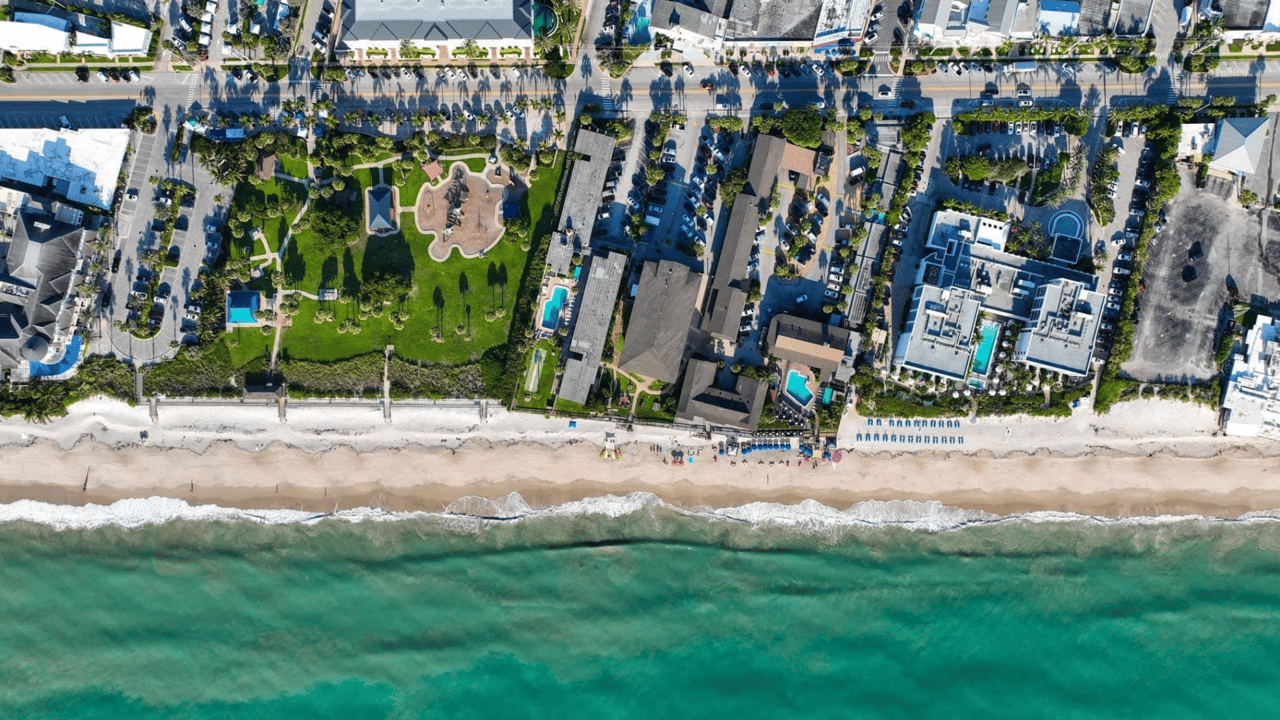
If you are thinking about selling your Vero Beach island home, the biggest advantage often comes before the listing goes live. On the barrier island, buyers are not only looking at design, light, and outdoor living. They are also paying close attention to flood exposure, permits, insurance-related documents, and how well the property has been maintained. When you prepare those pieces early, you create a smoother path from photography to contract. Let’s dive in.
Why island prep matters more
Selling on Vero Beach’s barrier island is different from selling in many inland neighborhoods. Coastal homes often bring added buyer questions about flood zones, elevation, shoreline rules, and prior improvements. Indian River County maintains public flood resources and notes that new FEMA flood insurance rate maps became effective on January 26, 2023 for permit review.
That matters because buyers, inspectors, and insurers may all look at the home through a coastal-risk lens. If your property is in a Special Flood Hazard Area, construction must meet minimum base flood elevation rules under the National Flood Insurance Program, according to county guidance. For sellers, that means documentation and readiness are part of presentation.
Oceanfront properties can involve another layer. Indian River County’s coastal engineering guidance says oceanfront development is subject to state Bureau of Beaches and Coastal Systems permitting, and most structures must be landward of the 1981 coastal construction control line, except dune crossovers. If your home has site features near the dune or shoreline, it is smart to clarify what was permitted before you list.
Start with a pre-list walkthrough
A strong sale usually starts with a detailed walkthrough of the home. The goal is to sort what you see into three buckets: safety issues, visible-condition items, and documentation gaps. That simple framework helps you prioritize what needs attention first.
Safety issues should be addressed early because they can raise concern during showings and inspections. Visible-condition items affect first impressions and photography. Documentation gaps can slow momentum later, especially when a serious buyer starts asking for records.
For island homes, this walkthrough should include both interior and exterior features. Look closely at roofing, windows and doors, outdoor living areas, drainage patterns, exterior finishes, gates, walkways, and any structures near the beachside environment. Salt air and storm exposure can make deferred maintenance more noticeable.
Finish repairs before photos
One of the most important seller moves is to complete repairs before the home hits the market. Indian River County notes that single-family work can require multiple permits, and that wetlands, tree-removal, land-clearing, and right-of-way permits may also be needed in some cases. That is one reason it makes sense to batch vendor work upfront rather than trying to manage repairs while your listing is already active.
If buyers see obvious unfinished items, they often assume there may be larger hidden issues. That can weaken your negotiating position and shift the conversation away from the home’s strengths. Clean execution before launch helps your property feel cared for and market-ready.
The best pre-list repairs are usually the ones that improve confidence and presentation at the same time. Focus first on anything that looks broken, unsafe, or neglected. Then address cosmetic items that show clearly in person or in photos.
Repairs worth prioritizing
- Fix active leaks, moisture concerns, or visible water staining
- Repair damaged trim, doors, screens, railings, and hardware
- Refresh paint where fading, peeling, or salt wear is visible
- Service lighting, ceiling fans, and HVAC issues that affect comfort
- Tidy landscaping and outdoor living spaces
- Clean and repair pool, patio, and exterior entertaining areas
- Correct obvious roofing or drainage concerns when possible
Gather your coastal paperwork early
In Vero Beach island sales, paperwork is part of preparation. Florida law requires a flood disclosure at or before contract execution, and the disclosure asks whether you have filed flood claims or received federal flood assistance. Florida law also requires disclosure of known sanitary sewer lateral defects before a contract is executed.
That means your listing packet should not be an afterthought. If you gather key records early, you can answer buyer questions quickly and reduce delays once interest builds. Organization is a real advantage in coastal transactions.
Indian River County says elevation certificates for previously developed properties dating back to 1997 are available from county staff. The county also provides public flood tools that homeowners, contractors, insurance agents, and realtors can use. For many sellers, that makes the county flood resource a practical first stop.
Documents to have ready
- Elevation certificate, if available
- Current flood-zone information
- Roof age and relevant records
- Wind-mitigation report, if available
- Four-point inspection, if available
- Permit history for completed work
- Flood-claim history
- Federal flood-assistance history, if applicable
- Known sanitary sewer lateral defect information, if applicable
For insurance-related questions, certain reports can be especially helpful. Florida insurance guidance says four-point inspections are commonly used by insurers to evaluate roofing, plumbing, electrical, and HVAC systems. Florida regulators also say wind-mitigation forms can be accepted by insurers when properly completed.
Check permits and exterior improvements
Island buyers tend to look closely at exterior improvements because these features often tie directly to value and use. Patios, pools, landscape changes, fences, dune crossovers, and shoreline-adjacent features can all prompt questions. If you know work was completed over time, it is worth confirming the related permit history before launch.
This step is less about perfection and more about clarity. A buyer is far more comfortable when the seller can produce a clean record or explain what was done. It also helps avoid last-minute surprises during inspection or underwriting.
If your home includes oceanfront elements or sits near regulated coastal areas, permit review becomes even more important. County guidance specifically notes that oceanfront development can be subject to state permitting rules. Getting clear on that now protects your timeline later.
Stage for space, light, and lifestyle
Once the house is repaired and the records are organized, presentation becomes the focus. Staging does not always mean bringing in all new furniture. Often, it means editing the home so buyers can see the space, light, and layout clearly.
That matters because staging can influence both buyer perception and timing. In the National Association of Realtors 2025 staging report, 29% of agents said staged homes received offers that were 1% to 10% higher, and 48% said staging reduced time on market. The most commonly staged rooms were the living room, primary bedroom, dining room, and kitchen.
Even when a full stage is not needed, decluttering and correcting visible faults can make a real difference. For a Vero Beach island home, buyers often respond to clean sightlines, natural light, outdoor living areas, and features that help them quickly understand the coastal setting. The goal is to make the home feel calm, polished, and easy to imagine enjoying.
Focus your staging here
- Living room
- Primary bedroom
- Dining room
- Kitchen
- Outdoor seating and entertaining areas
- Entry sequence and first-view spaces
Prepare for remote buyers too
Not every serious buyer will begin with an in-person visit. Realtor.com survey data showed that 6% of buyers purchased based only on a virtual tour, showing, or open house without physically seeing the home. That makes visual readiness even more important for island listings.
Professional photography and video should be complete before the listing launches. Your first week matters, and you do not want to spend it fixing small issues or waiting for better marketing assets. Clean visuals, a thoughtful showing plan, and a crisp presentation help remote and local buyers engage quickly.
For many coastal homes, strong visuals include bright interiors, clear room flow, outdoor spaces, and any feature that explains the property’s lifestyle and setting. If there is beach access, water views, or a particularly strong terrace or pool scene, those details should read clearly from day one.
Build a smart showing plan
A standout launch depends on more than photos. It also depends on how easy the home is to show once interest starts building. Realtor.com guidance says the first week after a listing goes live usually produces the most interest, which is why readiness is so important.
If your home is occupied, think through the practical details before launch. Decide how much notice you need, where personal items will be stored, how pets will be handled, and how quickly the home can be returned to showing condition. Friction during the first week can cost momentum.
For island sellers, showing strategy should also support the home’s best features. If outdoor living is a major selling point, make sure those spaces are clean, staged, and accessible. If natural light is one of the property’s strengths, showing windows should align with the times of day when the home feels brightest.
Occupied-home showing tips
- Set a realistic minimum notice window
- Keep surfaces clear and personal items minimized
- Have a quick reset routine for kitchen, baths, and outdoor areas
- Secure paperwork and valuables before every showing
- Make parking and property access simple when possible
Price with discipline from day one
Preparation only works when pricing supports the strategy. A beautifully presented island home can still lose momentum if it enters the market above what buyers will support. The strongest launches pair polished presentation with realistic pricing.
National Association of Realtors forecast materials say homes priced even 3% to 5% above market can face longer days on market and deeper reductions. NAR seller guidance also says homes priced more than 3% over the correct price take longer to sell. In other words, overpricing can reduce the impact of all the work you did upfront.
For Vero Beach island sellers, this is where discipline matters. You want the home to enter the market with a strong first impression, complete documentation, and a price that invites serious action. That combination gives you the best chance to protect value while keeping leverage in the negotiation.
Why organization creates an edge
On the barrier island, standout sales are rarely accidental. They come from organized preparation, thoughtful presentation, and a launch plan that respects how coastal buyers evaluate risk and value. When you walk the home early, confirm permits, gather flood and insurance records, finish repairs, and prepare for showings before going live, you remove friction from the sale.
That kind of preparation does more than make the process smoother. It also signals professionalism and care. Buyers notice when a home is presented with clarity, and that confidence can shape everything from showing activity to inspection conversations.
If you are preparing to sell your Vero Beach island home, a strategic plan can make all the difference. The Sutcliffe Group brings concierge-level guidance, local coastal insight, and disciplined seller strategy to every stage of the process. Schedule a consultation.
FAQs
What documents should sellers gather for a Vero Beach island home sale?
- Sellers should gather the elevation certificate if available, flood-zone information, roof age, mitigation reports, four-point inspection information if available, permit history, flood-claim history, federal flood-assistance history if applicable, and known sanitary sewer lateral defect information if applicable.
What repairs matter most before listing a Vero Beach island home?
- The most important repairs are usually safety issues, active leaks or moisture concerns, visible deferred maintenance, and condition items that affect photography, showings, or buyer confidence.
What permit issues should Vero Beach island sellers review before listing?
- Sellers should review permit history for completed work and confirm whether any exterior, shoreline-adjacent, tree, land-clearing, right-of-way, or oceanfront-related improvements required permits.
Why is flood paperwork important for Vero Beach island home sales?
- Flood paperwork matters because Florida requires flood disclosure in residential sales, and buyers, inspectors, and insurers often want clear information about flood zones, past claims, elevation, and related records.
How should occupied Vero Beach island homes handle showings?
- Occupied homes should have a clear notice policy, a fast reset routine, minimal clutter, secured personal items, and ready-to-show outdoor spaces so the home performs well during the first week on market.