If you picture Vero Beach Barrier Island living as easy mornings near the ocean and less day-to-day exterior upkeep, a condo may sound like the perfect fit. But the right choice depends on more than the view. You need to understand how condo ownership works, what costs and rules come with it, and how those tradeoffs compare with a single-family home. Let’s dive in.
Why Vero Beach Barrier Island Condos Stand Out
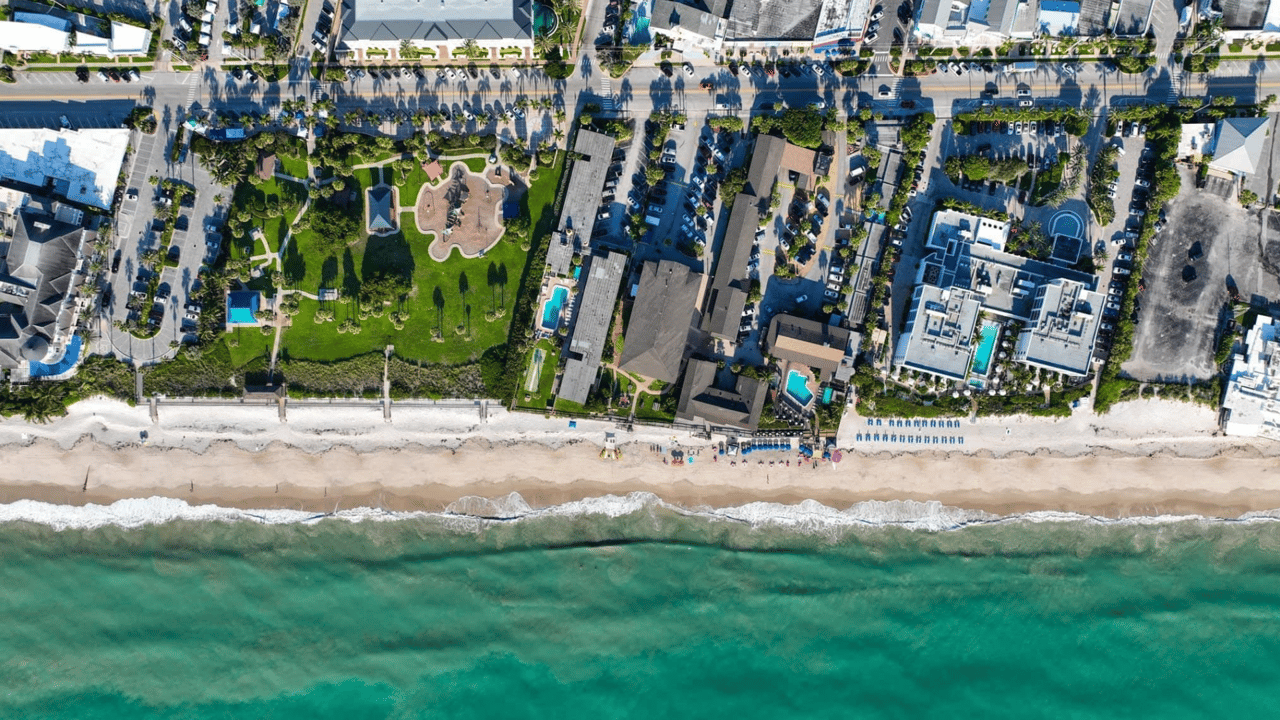
Vero Beach's Barrier Island offers a coastal setting that feels distinct from the mainland, while still staying connected to everyday needs. Three bridges connect the island to the mainland, which helps explain why many buyers see it as both beach-oriented and practical.
The Barrier Island supports a wide range of condo options rather than a single type of product. Many condo properties are along Ocean Drive and along A1A. For you as a buyer, that means the island market includes several locations and lifestyle choices, from direct oceanfront buildings to near-ocean communities.
What Island Condo Options Look Like
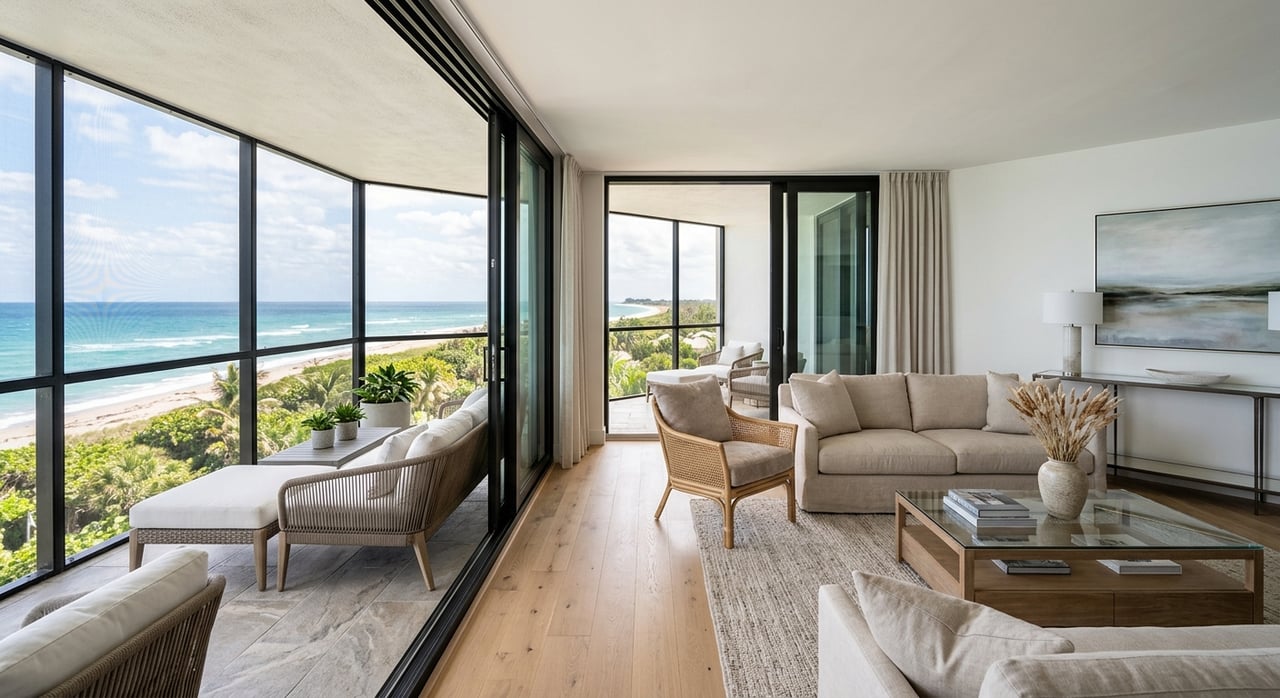
Not every Vero Beach condo lives the same way. Current listings point to several broad product types, including oceanfront towers, penthouse residences, resort-style or condo-hotel buildings, club communities with marina access, and townhouse or villa-style condos. That mix matters because the building style often shapes your monthly fees, privacy, amenities, and how much personal upkeep still falls on you.
Many verified listings also show a familiar set of amenities. Depending on the community, you may find elevators, private garage parking, impact glass, beach access, private beach clubs, pools, fitness rooms, clubhouses, tennis, pickleball, marina access, and on-site management. Some communities also come with more lifestyle programming and shared services than others, which can be a major plus if you want a more lock-and-leave ownership experience.
You should also know that some island condo communities are seasonal or age-restricted. That is not true across the board, but it is common enough that you should confirm those rules early. A quick review of a community’s governing documents can save you time and keep your search focused.
Why Lifestyle Fit Matters Most
A condo can be a great match if you want to spend more time enjoying Vero Beach and less time managing a property. In general, condo ownership offers less exterior upkeep and more shared amenities than a single-family home. For many second-home buyers and part-time residents, that convenience is a big part of the appeal.
At the same time, condo ownership comes with more shared decision-making. You are buying into both a residence and an association structure, which means rules, budgets, reserve funding, and maintenance planning all matter. If you value simplicity and shared amenities, that may feel like a benefit. If you want more autonomy, outdoor flexibility, and fewer community rules, a house may fit better.
Condo Ownership in Florida: What You Should Know
In Florida, the condominium association is responsible for maintaining common elements and for maintaining, repairing, and replacing the condominium property it is required to cover under the declaration. That can reduce the amount of exterior work you handle directly. It also means your experience as an owner depends heavily on how well the association plans, budgets, and communicates.
Florida law also requires associations to keep official records that include budgets, financial reports, structural integrity reserve studies, and inspection reports. Those records must be made available to unit owners within the required timeframe. For you, this is one of the most important parts of condo due diligence because the paperwork often tells the real ownership story.
Why Inspections and Reserves Matter on the Island
For many coastal condo buyers, the two biggest diligence items are the milestone inspection and the structural integrity reserve study. Florida requires milestone inspections for buildings that are three habitable stories or more at 30 years of age and every 10 years after that. Local enforcement agencies can require the first inspection at 25 years when local conditions, including proximity to salt water, justify it.
Structural integrity reserve studies are also required for many condo buildings that are three stories or higher. These studies must address at least the roof, structure, fireproofing and fire protection systems, plumbing, electrical systems, waterproofing and exterior painting, windows and exterior doors, plus certain deferred-maintenance items that affect those components. For budgets adopted on or after December 31, 2024, unit-owner-controlled associations that must obtain a study may not vote to provide no reserves or less reserves than required for those items.
That matters even more on Vero Beach Island because Indian River County describes the barrier island as low-lying, erosion-prone, and exposed to storm surge on low-lying roads. This does not mean an island condo is a poor choice. It does mean you should pay close attention to exterior components, waterproofing, windows, balconies, and hurricane protection when reviewing a building.
How Fees and Assessments Affect Your Budget
A lower-maintenance lifestyle does not always mean a lower overall cost. Monthly condo fees may cover a meaningful share of building operations and common-area maintenance, but you still need to understand exactly what those fees include. You also need to know which reserve items are being funded and whether the association is keeping pace with long-term capital needs.
In some communities, reserve funding may be handled through regular assessments. In others, capital work may involve special assessments, lines of credit, or loans. That is why reviewing the budget, reserve study, and any approved funding plans is so important before you move forward.
Insurance should be part of your budgeting as well. Indian River County states that it is a Class 6 Community Rating System community, which can provide a 20 percent flood insurance discount for eligible residents outside CoBRA zones. Still, you should verify the building’s specific flood exposure and insurance structure rather than assume the same outcome in every community.
Questions to Ask Before You Buy
If you are seriously considering a Vero Beach Island condo, ask direct questions early. Clear answers can help you compare buildings more confidently and avoid surprises later.
- What does the monthly fee include?
- Which reserve items are currently being funded?
- Has the milestone inspection been completed?
- Did the inspection lead to recommended repairs or phase-two work?
- Has the structural integrity reserve study been completed?
- Is the association following its reserve funding plan?
- Is there a pending special assessment?
- Has the board approved a loan or line of credit for capital work?
- What are the rules for pets, rentals, renovations, parking, storage, guests, or age restrictions?
- Can you review the budget, insurance policies, inspection reports, and reserve study before making an offer?
Condo vs. House on Vero Beach's Barrier Island
If you are deciding between a condo and a single-family home, the simplest comparison comes down to control versus convenience. A condo often gives you reduced exterior maintenance and access to shared amenities, but it also brings association oversight and shared costs. A single-family home usually offers more privacy, more autonomy, and more flexibility with outdoor space, but it also places more maintenance responsibility on you.
For many buyers, the answer is not about which option is better in general. It is about which option fits the way you actually want to live. If your goal is a beach-oriented, lock-and-leave property with amenity sharing, a condo may be the right move. If you want more control and less association involvement, a single-family home may suit you better.
A Smart Way to Decide
The best condo purchase decisions usually come from matching your lifestyle goals with the realities of the building. That means looking beyond finishes and views to understand the association, the inspection history, the reserve planning, and the rules that shape ownership. In a coastal market like Vero Beach Island, those details are not minor. They are central to making a confident decision.
With the right guidance, you can sort through those factors clearly and compare communities based on how you want to live, not just what looks appealing online. If you are weighing island condos against other Vero Beach options, The Sutcliffe Group can help you evaluate the tradeoffs and build a strategy around your goals.
FAQs
What makes a Vero Beach Island condo different from a mainland condo?
- A Vero Beach Island condo is located on Indian River County’s barrier island, where you may find closer beach access, ocean-oriented locations, and a coastal ownership environment shaped by storm-surge exposure, erosion concerns, and building-specific maintenance planning.
What should you review before buying a Vero Beach Island condo?
- You should review the monthly fee details, budget, reserve study, insurance information, milestone inspection status, any recommended repairs, and whether there are pending special assessments or approved loans for capital work.
What types of condos are available on Vero Beach Island?
- Current island inventory includes oceanfront towers, penthouse units, resort-style or condo-hotel properties, club communities with marina access, and some townhouse or villa-style condos.
What amenities are common in Vero Beach Island condo communities?
- Common amenities in verified listings include elevators, garage parking, impact glass, beach access, private beach clubs, pools, fitness rooms, clubhouses, tennis, pickleball, marina access, and on-site management.
What questions matter most when comparing Vero Beach Island condos?
- Focus on what the fees include, how reserves are funded, whether required inspections and reserve studies are complete, whether special assessments are pending, and what rules apply to pets, rentals, guests, parking, and renovations.